
Planning a patio cover feels simple until permits come into play. In Wheat Ridge, they’re not just paperwork. They influence your timeline, design, and long-term value. Understanding the patio cover permit in Wheat Ridge process early can save you time, money, and help you avoid unnecessary setbacks. At SRI Decks, we see how evolving 2026 regulations are shaping smarter, more strategic builds, making it more important than ever to get it right from the start.
What Counts as a Patio Cover in Wheat Ridge?
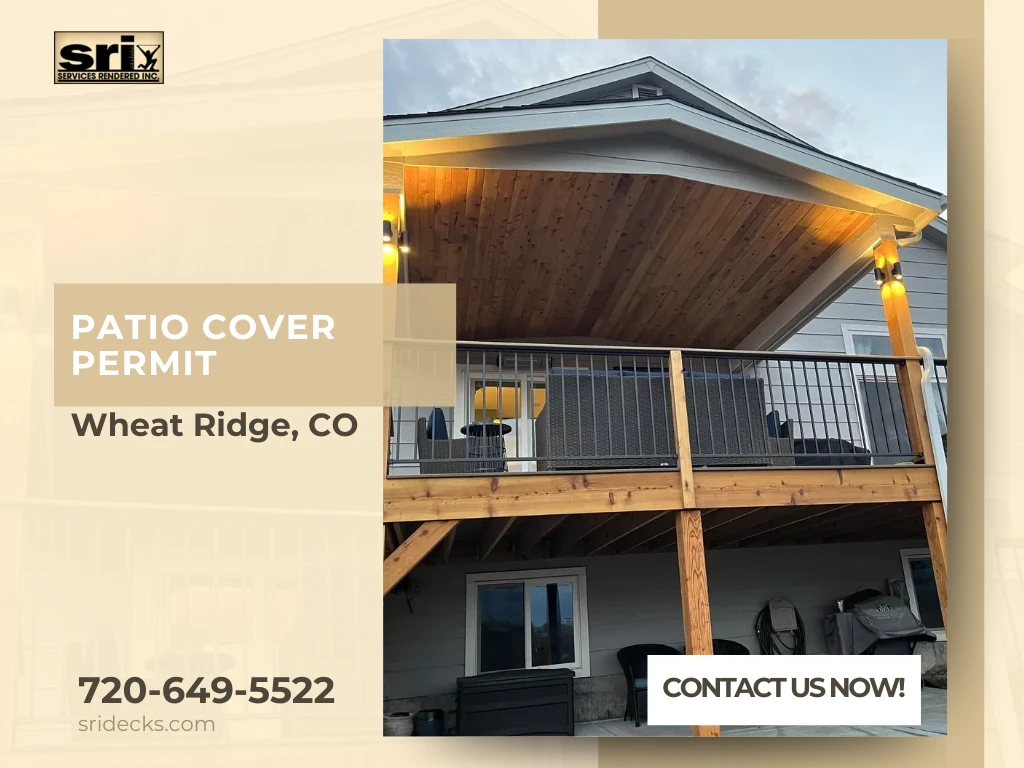
A patio cover in Wheat Ridge isn’t just any overhead structure. It’s defined by how it’s built, attached, and used. Most patio covers include attached roof extensions, freestanding covered areas, or pergolas with solid or partially solid roofing. The key distinction lies in permanence and structural impact. Once your design involves load-bearing posts, attachment to your home, or integrated features like electrical wiring, it moves from a simple backyard feature into a regulated structure. That’s when city oversight kicks in under Wheat Ridge building permits patio cover requirements, and understanding that distinction early can prevent unnecessary redesigns later.
Do You Actually Need a Permit?
In most cases, yes, you will need a permit. If your patio cover is attached to your home, includes a solid roof, or incorporates electrical components like lighting or fans, it almost certainly requires approval. The city evaluates these structures based on safety, structural integrity, and how they interact with your home and surrounding property. The patio cover permit in Wheat Ridge requirement exists to ensure your structure can handle Colorado’s weather conditions, especially snow loads, while also meeting zoning and drainage standards. Skipping this step might seem like a shortcut, but it often leads to bigger delays, added costs, and compliance issues down the line.
What’s Different in 2026?
The biggest shift in 2026 isn’t necessarily new rules. It’s how closely those rules are being enforced and reviewed. Structural requirements are being examined more carefully, especially when it comes to load calculations and how the patio cover connects to your home. There’s also a noticeable increase in enforcement, with cities paying closer attention to unpermitted structures due to the surge in outdoor living projects over the past few years.
On top of that, incomplete or unclear applications are taking longer to process. Preparation matters more than ever. Homeowners who come in with detailed plans and a clear understanding of expectations are seeing much faster approvals than those who treat permits as an afterthought.
What Triggers a Patio Cover Permit in Wheat Ridge?
Several design elements automatically trigger the need for a permit, and most homeowners are surprised by how common these triggers are. Permanent posts set in concrete, roof structures attached to your home, and any form of electrical work will require approval. Even freestanding structures can fall under patio cover regulations in Colorado if they exceed certain size or height limits.
Additionally, any project that affects drainage, grading, or proximity to property lines will be reviewed carefully. Understanding these triggers early allows you to design smarter and avoid unnecessary back-and-forth during the approval process.
The Real Cost of Skipping the Permit
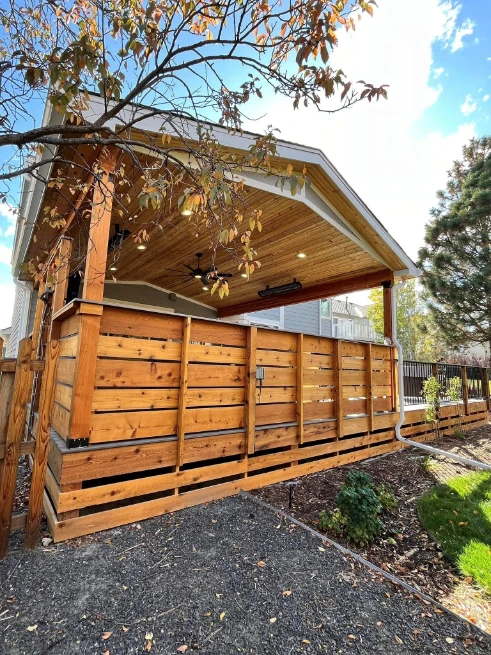
Skipping a permit might feel like a time-saver, but it often creates bigger problems than it solves. In the short term, you risk stop-work orders, fines, and the possibility of having to remove or redo the structure entirely. Long-term consequences can be even more significant, especially when it comes time to sell your home. Unpermitted work can complicate inspections, reduce property value, and even impact insurance coverage.
What starts as a small shortcut can quickly turn into a costly setback, making the patio cover permit in Wheat Ridge process an essential part of protecting your investment.
How to Get Approved Faster (Without the Headaches)
Getting a permit approved quickly isn’t about luck. It’s about preparation and strategy. Starting with a design that already meets local code requirements puts you ahead immediately, as it reduces the chances of revisions. Submitting complete and detailed plans, including structural drawings and site layouts, helps reviewers process your application without delays.
Perhaps the most effective step is working with a professional builder who understands patio cover installation rules and local expectations. This level of expertise eliminates guesswork and keeps your project moving forward without unnecessary interruptions.
Have a patio cover idea in mind? Reach out to SRI Decks and get clarity on permits before you start building.
Common Mistakes That Slow Everything Down
One of the most common mistakes homeowners make is underestimating the structural requirements of a patio cover, especially in a climate like Colorado’s. Snow loads and wind resistance are critical factors that must be accounted for in the design. Another frequent issue is ignoring setback rules, which dictate how close your structure can be to property lines.
DIY permit applications can also lead to delays, as missing or incorrect details often result in revisions. Finally, treating permits as an afterthought instead of a guiding framework can disrupt your entire timeline. Avoiding these mistakes is key to keeping your project on track and stress-free.
Why This Matters More Than Ever in 2026
Outdoor living has evolved from a trend into a standard expectation for homeowners, especially in areas like Wheat Ridge where lifestyle and property value go hand in hand. Today’s homeowners are looking for more than just functionality. They want elevated design, efficient timelines, and long-term peace of mind.
Understanding the patio cover permit in Wheat Ridge process allows you to meet all of those expectations while avoiding unnecessary setbacks. In 2026, building smarter isn’t optional. It’s essential.
Frequently Asked Questions About Patio Cover Permits in Wheat Ridge
Question: Do all patio covers require a permit in Wheat Ridge?
Answer: Not all—but most do. If your patio cover is attached to your home, includes a solid roof, or has electrical components, you’ll need approval. The patio cover permit in Wheat Ridge requirement is triggered by structural impact, not just size.
Question: How long does it take to get a patio cover permit in Wheat Ridge?
Answer: Timelines vary, but most permits take anywhere from a few days to several weeks. In 2026, incomplete applications are the biggest cause of delays, which is why having detailed, permit-ready plans matters.
Question: What happens if I build a patio cover without a permit?
Answer: You risk fines, stop-work orders, and even being required to remove or rebuild the structure. It can also create issues during home inspections or resale, making the permit process critical for long-term value.
Question: Can I apply for a patio cover permit myself?
Answer: Yes, but it’s not always recommended. Many homeowners run into delays due to missing structural details or incorrect submissions. Working with a professional ensures your plans align with patio cover installation rules from the start.
Question: What’s the fastest way to get a patio cover approved in Wheat Ridge?
Answer: Start with a design that already meets code, submit complete plans, and work with a builder who understands local requirements. This approach minimizes revisions and keeps your project moving forward efficiently.
Start Your Wheat Ridge Patio Cover Project Today — Get Approved and Built Without Delays
Ready to build your patio cover in Wheat Ridge? Timing matters and having the right team ensures your design meets code, your permits move smoothly, and your project stays on track from day one. Navigating the patio cover permit in Wheat Ridge process alone can create delays, but with the right expertise, it becomes a seamless part of the build. SRI Decks handles everything from design and permits to full construction so you can focus on the finished space, not the process. Book your consultation today and secure your spot before schedules fill up.
