
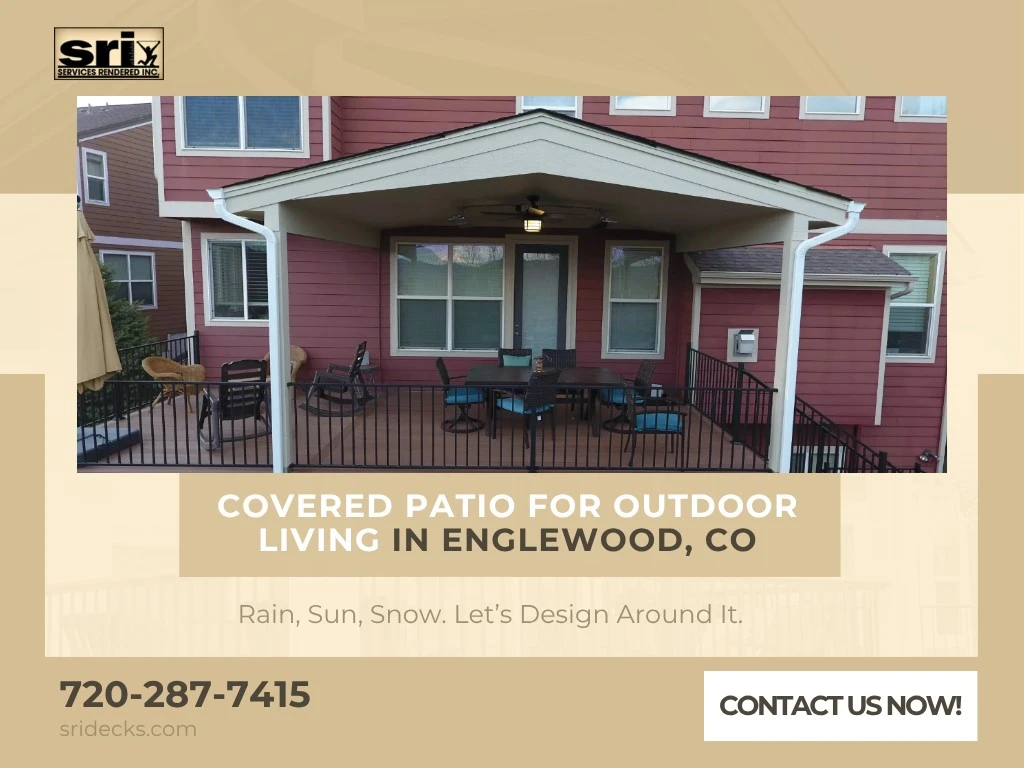
A patio cover should do more than create shade during the hottest part of summer. A well-planned covered patio for outdoor living in Englewood can make the backyard more comfortable through bright afternoons, cool fall evenings, spring showers, and snowy Colorado weather. The key is thinking about sun, coverage, drainage, furniture, and everyday movement before construction begins. Done well, the finished space becomes somewhere you naturally use through more of the year.
Start With When You Actually Use the Patio
Before deciding how large the cover should be, think about when your family spends time outside.
A homeowner who enjoys morning coffee has different needs than a family that regularly eats dinner outdoors at 6 p.m. Afternoon sun may also reach the patio from the side even when overhead shade seems adequate.
Watch how sunlight moves across the area at different times. You may find that covering the dining or seating zone makes more sense than putting a roof over every available foot.
Decide What Needs Protection
A four season patio works better when the covered section has a clear purpose.
Start with the furniture and activities you care about most. Maybe that means a six-person dining table, lounge seating, or a comfortable place to step outside during light rain.
Then leave enough room around them.
Imagine covering only the exact footprint of a dining table. The furniture fits, but anyone seated along the edge could still end up exposed to afternoon sun or rain. Extending coverage strategically can make the space considerably more useful without making it unnecessarily large.
Think About Sun From More Than One Direction
A roof handles overhead sun, but late-afternoon exposure can still make a patio uncomfortable.
That matters in Englewood, where summer evenings are often some of the best times to be outdoors.
Roof projection, the orientation of the patio, and furniture placement should work together. The goal is not to create a dark enclosure. It is to provide meaningful protection during the hours you are most likely to use the space.
This is one reason a site-specific approach matters more than choosing a patio cover simply because you liked a photo of it.
Build for Colorado Weather
A patio cover has to handle more than sunshine.
Colorado snow adds weight, while storms and melting snow create runoff. Roof pitch, supports, drainage, and connection points therefore need to be considered as part of the structure itself.
Pay particular attention to where water leaves the roof. Runoff should not pour into the main walking path or create an inconvenient wet area outside a frequently used door.
SRI Decks builds patio covers and other outdoor structures with the property, intended use, and Colorado conditions in mind. The goal is a finished structure that works as well as it looks.
Protect the Route From the House
The transition from the back door into the covered outdoor area can have a surprisingly large effect on how often you use it.
If you have to cross an exposed section first, carrying dinner outside during light rain or snow becomes less appealing. Extending useful coverage toward the primary entrance can make everyday movement easier.
Think about simple routines: carrying food, bringing cushions inside, or stepping outdoors without immediately being hit by intense sun.
Those ordinary moments often determine whether an outdoor feature becomes part of daily life.
Plan the Patio Cover With the Deck
If a new deck and patio cover are both part of the project, consider them together.
Support locations can influence furniture placement and walking paths, while the structure below may need to accommodate what is being built above it.
For homeowners planning a covered patio for outdoor living in Englewood, coordinating these pieces early can avoid awkward compromises later.
SRI Decks builds decks, patio covers, wood pergolas, and pavilions. That means homeowners can think about the complete outdoor space instead of treating each structure as an unrelated addition.
Plan for Evenings Too
Year-round usefulness is not only about seasons. It is also about what happens after sunset.
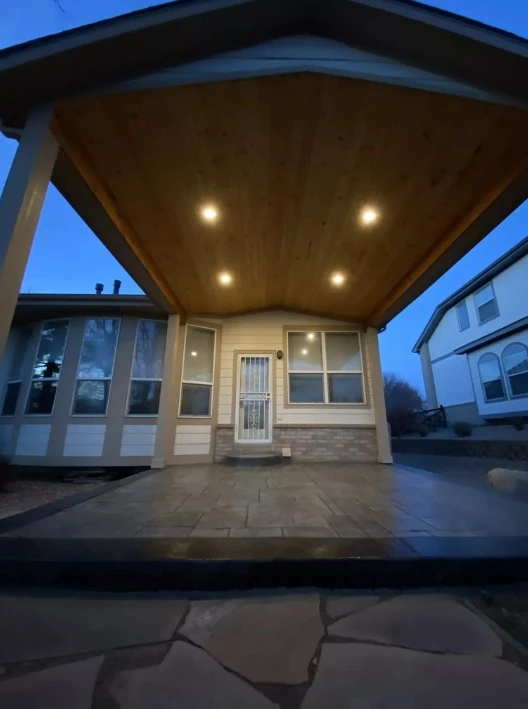
If you regularly eat or relax outside in the evening, think about lighting needs before the structure is complete. Dining areas may benefit from more practical illumination, while conversation spaces may call for softer lighting.
Electrical work should be handled by the appropriate qualified professional, but deciding where you may want lights or outlets early can make future coordination easier.
It is a small planning step that can give the patio considerably more usable hours.
Leave Room for the Space to Evolve
A useful outdoor living space should not depend on one permanent furniture arrangement.
Today’s large dining table may eventually become a lounge area. A quiet space for two might turn into the gathering spot when family visits.
Avoid placing supports or permanent features where they unnecessarily restrict those changes.
Flexibility can be especially valuable on a smaller patio. Instead of packing every corner, leave enough breathing room for furniture to shift as your routines change.
That kind of freedom often feels more luxurious than simply adding more features.
Patio Cover, Pergola, or Pavilion?
Not every backyard needs the same overhead structure.
A patio cover provides substantial protection over a primary outdoor area. A wood pergola creates a more open overhead experience and may suit homeowners who want definition with less coverage. A pavilion can create a separate gathering destination elsewhere in the backyard.
Start with what you want the structure to accomplish.
If the goal is a covered patio for outdoor living in Englewood that remains useful through more changing weather, the amount and placement of protection should lead the decision.
FAQs
Can a covered patio be used year-round in Englewood?
It can extend how often the patio is comfortable by providing protection from sun and some precipitation. Winter use will still depend on temperature, wind, snow, and how the area is set up.
How large should my patio cover be?
Size it around the activities and furniture you want protected, plus enough clearance for comfortable movement. The biggest possible cover is not always the best one.
Should a patio cover be planned with a new deck?
Yes, when both are part of your project. Planning them together can help coordinate supports, layout, circulation, and the overall footprint.
Is a pergola the same as a patio cover?
No. A wood pergola is generally more open overhead, while a patio cover offers greater protection from sun and weather.
What should I decide before construction begins?
Think about sun exposure, furniture placement, roof coverage, drainage, structural needs, lighting, and how people will move between the house and backyard.
Turn More of the Year Into Patio Season with SRI Decks
Picture how you want the space to work on a sunny July evening, a cool October afternoon, and a snowy winter day. The answer can tell you more about the right patio cover than choosing one based on appearance alone.
SRI Decks brings decades of outdoor living experience to building decks, patio covers, wood pergolas, and pavilions for Colorado homeowners. Tell SRI Decks the way you want to use your backyard and schedule a consultation to start building a covered outdoor space that earns its place through more of the year.
